‘Fake’ diamonds are not really fake, just synthetic, since they are chemically indistinguishable from real diamonds. Many (but not all) fake foods are not like this, since they have different core ingredients
Right, but in the case of honey, its (according to OP) not a different set of ingredients.
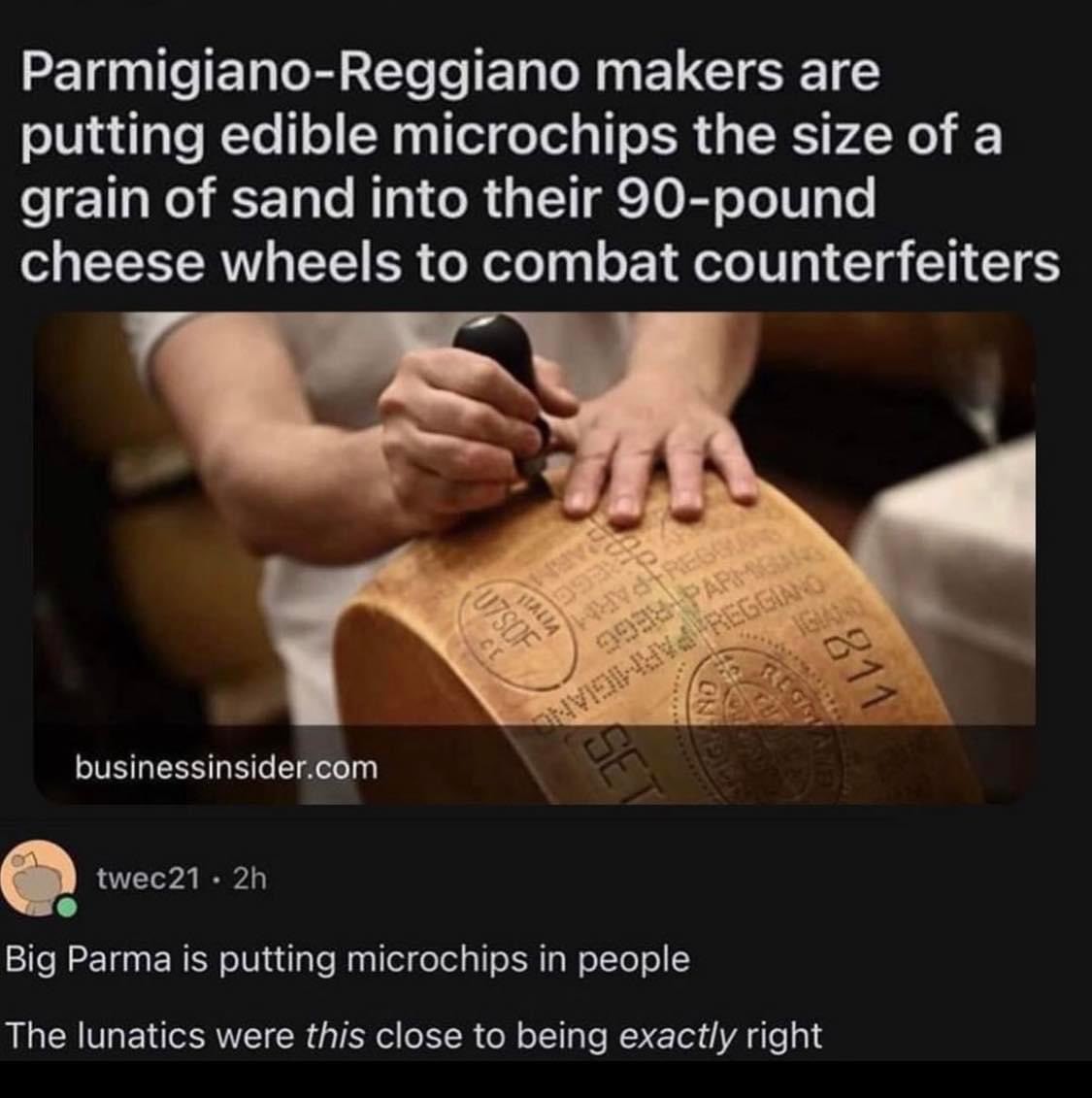
Similarly, parmezan cheese made outside the region can be literally the same, chemically exactly the same, but still fake, because of its origin. Just like diamonds.
If you make honey in a machine, and you can’t tell the difference, is it not honey?
If it’s chemically indistinguishable from honey then I’d say yes it’s real honey. It might be preferable to real honey for the same reason lab grown meat is preferable to real meat.
Ignoring the fact that selling something fraudulently is automatically bad, I can think of a few reasons. First of all, they can’t make it identical. They can beat certain tests, but that’s why it’s a cat and mouse game.
Second, even if it was 100% identical, there are still reasons to support the “real” thing. If I buy fake syrup, I’m probably getting something made from an industrial monocrop like sugar beets or corn grown far away. If I buy honey from a local beekeeper, I’m investing in more trees/flowers/etc. in my own area. I’m also investing against the widespread use of pesticides harming our whole ecosystem.


Why is it a problem? If you literally can’t tell the difference, what is the problem?
If the fake product is literally indistinguishable, I don’t think it’s actually fake. It’s the same product.
Like “fake” diamonds, which are actually literally better in every way.
‘Fake’ diamonds are not really fake, just synthetic, since they are chemically indistinguishable from real diamonds. Many (but not all) fake foods are not like this, since they have different core ingredients
Right, but in the case of honey, its (according to OP) not a different set of ingredients.
Similarly, parmezan cheese made outside the region can be literally the same, chemically exactly the same, but still fake, because of its origin. Just like diamonds.
If you make honey in a machine, and you can’t tell the difference, is it not honey?
If it’s chemically indistinguishable from honey then I’d say yes it’s real honey. It might be preferable to real honey for the same reason lab grown meat is preferable to real meat.
Ignoring the fact that selling something fraudulently is automatically bad, I can think of a few reasons. First of all, they can’t make it identical. They can beat certain tests, but that’s why it’s a cat and mouse game.
Second, even if it was 100% identical, there are still reasons to support the “real” thing. If I buy fake syrup, I’m probably getting something made from an industrial monocrop like sugar beets or corn grown far away. If I buy honey from a local beekeeper, I’m investing in more trees/flowers/etc. in my own area. I’m also investing against the widespread use of pesticides harming our whole ecosystem.